Trends in Corporate Website Design: What to Watch For
Embracing Minimalism
In recent years, the trend of minimalism has taken the digital design world by storm. Corporate websites are increasingly adopting clean, uncluttered designs that prioritize content and user experience. By removing unnecessary elements, companies can ensure that their message is clear and direct. This approach not only enhances aesthetics but also improves load times, contributing to better SEO performance.
The use of whitespace is a key component of minimalist design. It allows for improved readability and helps to focus the user's attention on the most important elements of the page. This trend is particularly beneficial for corporate websites that need to convey professionalism and clarity.

Responsive and Mobile-First Design
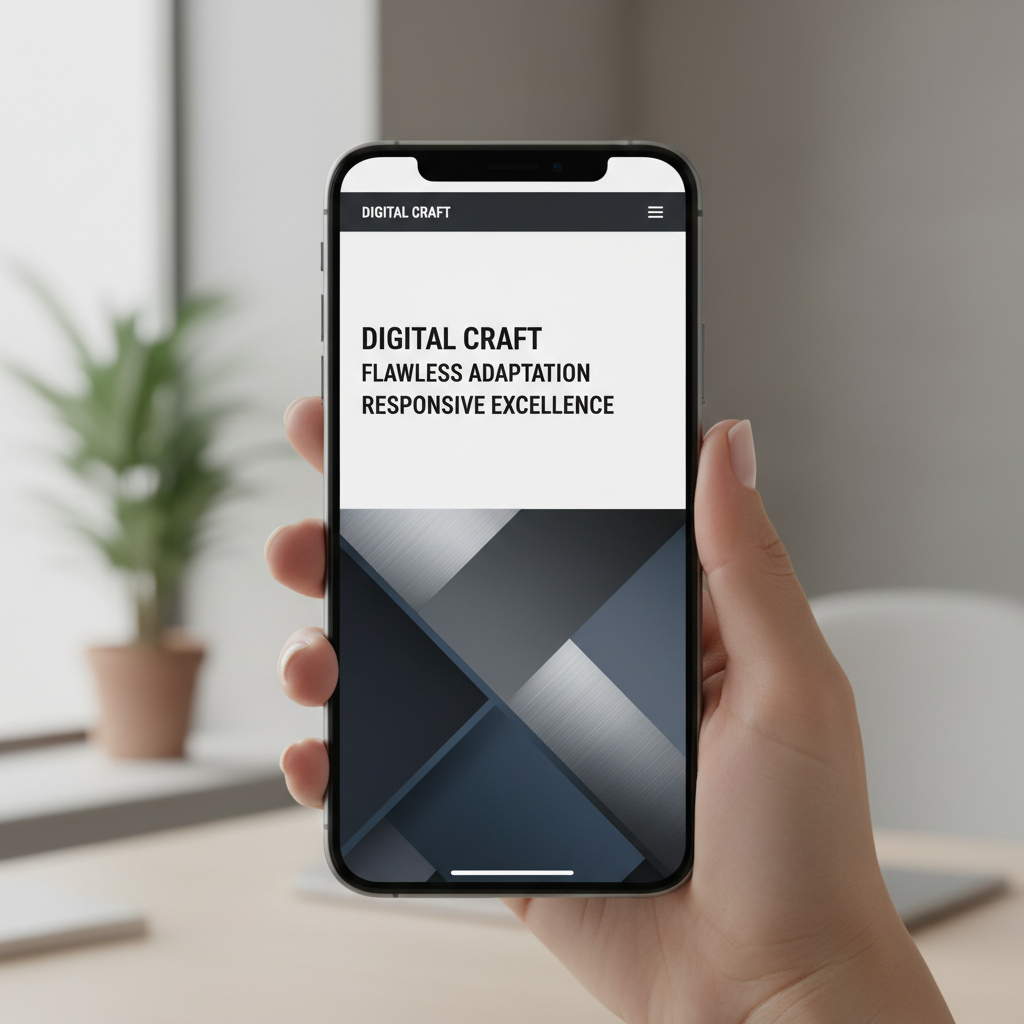
With the majority of web traffic now coming from mobile devices, responsive design is no longer optional—it's essential. Corporate websites must be designed with a mobile-first approach to ensure they provide a seamless experience across all devices. This means prioritizing mobile usability and then scaling up for larger screens.
Responsive design not only improves user experience but also boosts search engine rankings. Google favors websites that are mobile-friendly, making this trend a crucial element of any corporate web design strategy.
Adapting to Various Screen Sizes
Designing for multiple screen sizes ensures that content is accessible and visually appealing on any device. This adaptability is achieved through flexible grids, scalable images, and CSS media queries. By focusing on fluid layouts, designers can create sites that maintain their integrity across different platforms.
Integrating Advanced Interactivity
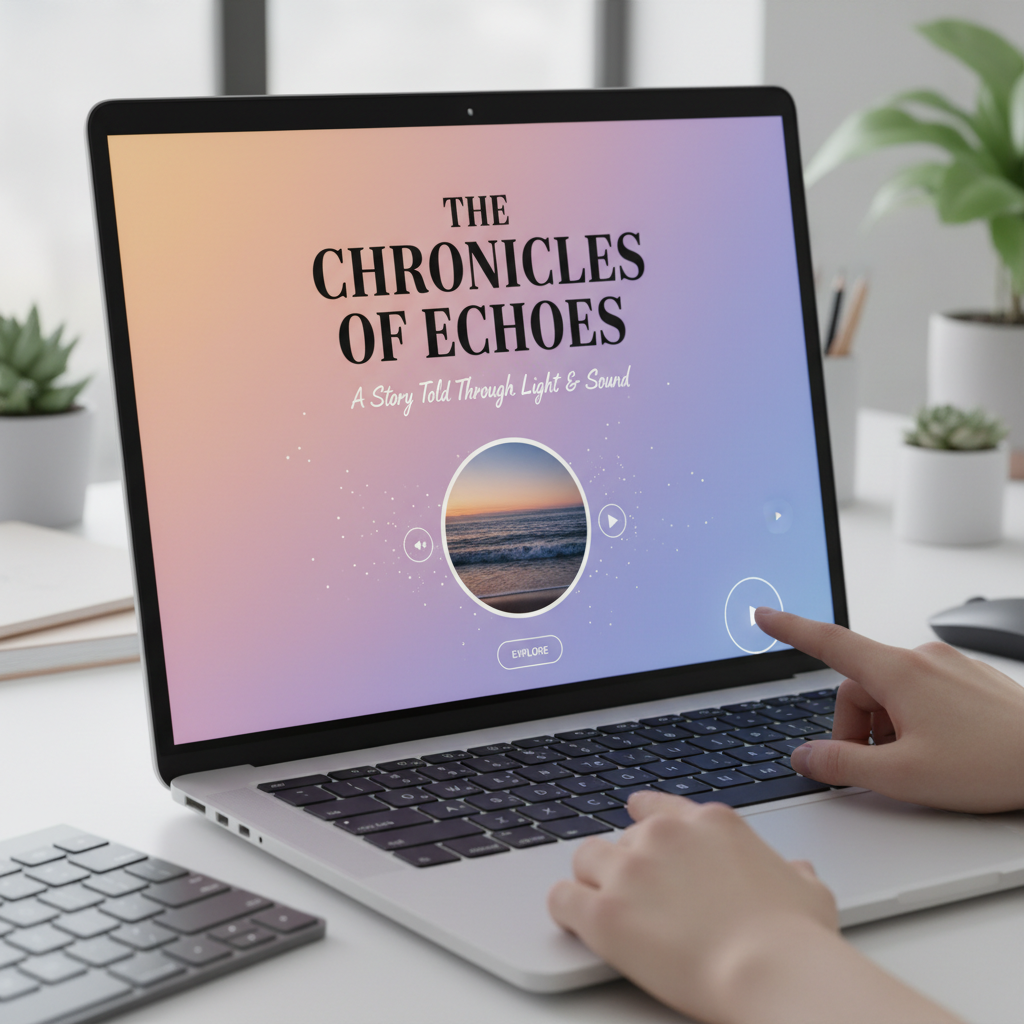
Interactive elements are playing a significant role in modern corporate web design. These elements, such as animations, hover effects, and dynamic content sections, engage users and encourage them to spend more time on the site. Interactive features can also help convey complex information in an intuitive way.
However, it's important to strike a balance. Overloading a site with too many interactive elements can detract from the user experience. The key is to use interactivity strategically to enhance the site's functionality and user engagement.
Emphasis on Accessibility
Accessibility is becoming a fundamental consideration in corporate web design. Ensuring that websites are accessible to all users, including those with disabilities, is both a legal requirement and a moral obligation. By incorporating features like alternative text for images, keyboard navigation, and screen reader compatibility, companies can create inclusive digital experiences.
Moreover, accessible websites often benefit from improved usability for all users, leading to increased satisfaction and engagement. As awareness and regulations around accessibility grow, this trend is set to become even more significant.
Using Inclusive Design Practices
Inclusive design goes beyond basic accessibility features. It involves creating experiences that cater to diverse user needs from the outset. This includes considering color contrast, text size, and overall site structure to ensure a wider range of users can navigate the site comfortably.

Focus on Sustainability
An emerging trend in corporate website design is the focus on sustainability. As businesses become more conscious of their digital carbon footprint, there's a growing emphasis on creating energy-efficient websites. This involves optimizing site speed, reducing data transfer, and utilizing green hosting solutions.
By embracing sustainable design practices, companies not only contribute to environmental efforts but also appeal to eco-conscious consumers. This trend is likely to gain traction as more organizations recognize the importance of sustainability in the digital space.