The Importance of Responsive Design for Corporate Websites
Understanding Responsive Design
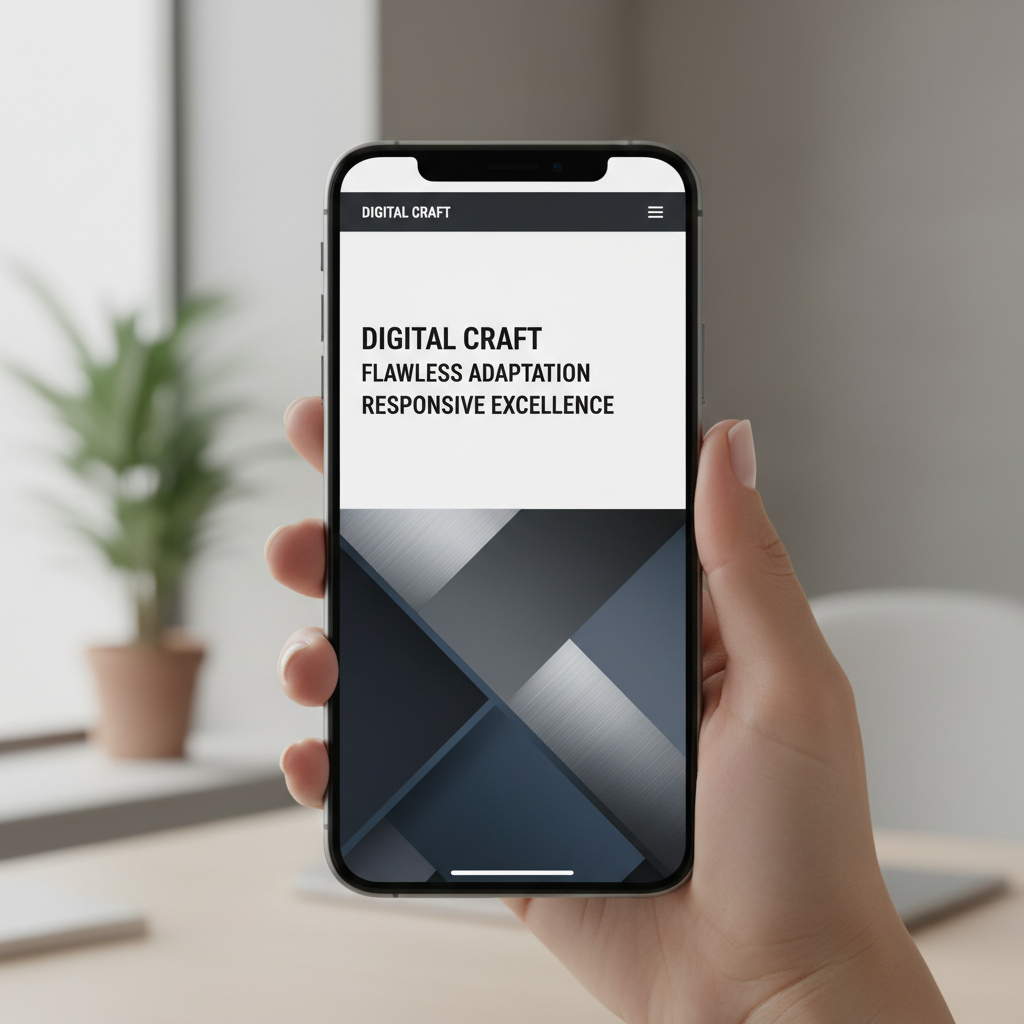
In today's digital era, having a corporate website that is visually appealing and functional on all devices is crucial. This is where responsive design comes into play. A responsive web design ensures that your website adapts seamlessly to different screen sizes, whether viewed on a desktop, tablet, or smartphone.
Responsive design is not just a trend; it is a necessity. With more people accessing the internet via mobile devices, companies must ensure their websites provide a consistent experience across all platforms. This approach improves user experience and boosts engagement, leading to higher conversion rates.
Benefits of Responsive Design
The primary advantage of responsive design is its ability to offer a consistent user experience. Visitors are more likely to stay on your website if they can easily navigate and read the content. This increased engagement can lead to more leads and sales.
Moreover, responsive design is cost-effective. Instead of maintaining separate websites for desktop and mobile, a single responsive site reduces development and maintenance costs. This approach also enhances your site's SEO, as search engines favor mobile-friendly websites.

SEO Advantages
Responsive design significantly impacts your site's search engine optimization (SEO). Google prioritizes mobile-friendly websites in its search results, making responsive design a critical component of your SEO strategy. A well-optimized site is more likely to rank higher, driving more organic traffic.
Additionally, responsive design reduces the bounce rate. When users find your site easy to navigate, they are more likely to stay and explore, signaling to search engines that your site is valuable and relevant.
Implementing Responsive Design
Implementing responsive design involves using flexible grids, layouts, images, and CSS media queries. These elements ensure that your website's design and functionality are preserved across different devices.
It is essential to test your website on various devices and browsers to ensure it displays and functions correctly. Regular testing and updates are necessary to keep up with technological changes and user expectations.

Choosing the Right Tools
Several tools and frameworks can help developers create responsive websites efficiently. Bootstrap, Foundation, and CSS Grid are popular choices that provide a solid foundation for building responsive designs.
By utilizing these tools, developers can create flexible and adaptive layouts that enhance user experience. Choosing the right tools depends on your specific needs and the complexity of your project.
Conclusion
In conclusion, responsive design is an integral part of modern web development, especially for corporate websites. It ensures that your site is accessible, user-friendly, and optimized for search engines, ultimately contributing to your business's success.
By investing in responsive design, companies can improve user satisfaction, increase their reach, and stay competitive in an ever-evolving digital landscape. Embrace responsive design today to future-proof your corporate website.