How to Customize Your Drupal Site for a Unique Business Experience
Understanding the Basics of Drupal Customization
Drupal is a powerful content management system that offers extensive customization options to create a unique online presence for your business. Its modular architecture allows you to tailor every aspect of your site, from its appearance to its functionality. The key to a successful Drupal site is understanding how to leverage these capabilities effectively.
Before you dive into customization, familiarize yourself with Drupal's core features and modules. This foundation will help you identify which areas of your site require customization to meet your business goals. With Drupal, you can enhance both the user experience and the backend management of your site.

Choosing the Right Theme
The theme of your Drupal site is the first thing visitors will notice. It's crucial to choose a theme that aligns with your brand identity while offering the flexibility to adapt to your needs. Drupal's vast repository of themes provides options that cater to various industries and design preferences.
Consider a custom or premium theme if you require a more unique look. These themes often come with additional features and support, offering greater control over the design elements. Remember, a visually appealing site can significantly impact user engagement and perception.
Utilizing Modules for Enhanced Functionality
Modules are the building blocks of Drupal and can be used to extend your site's functionality. Whether you need e-commerce capabilities, SEO tools, or social media integration, there's likely a module available for your needs. Identifying the right modules helps streamline your site's operations and enhance user experience.
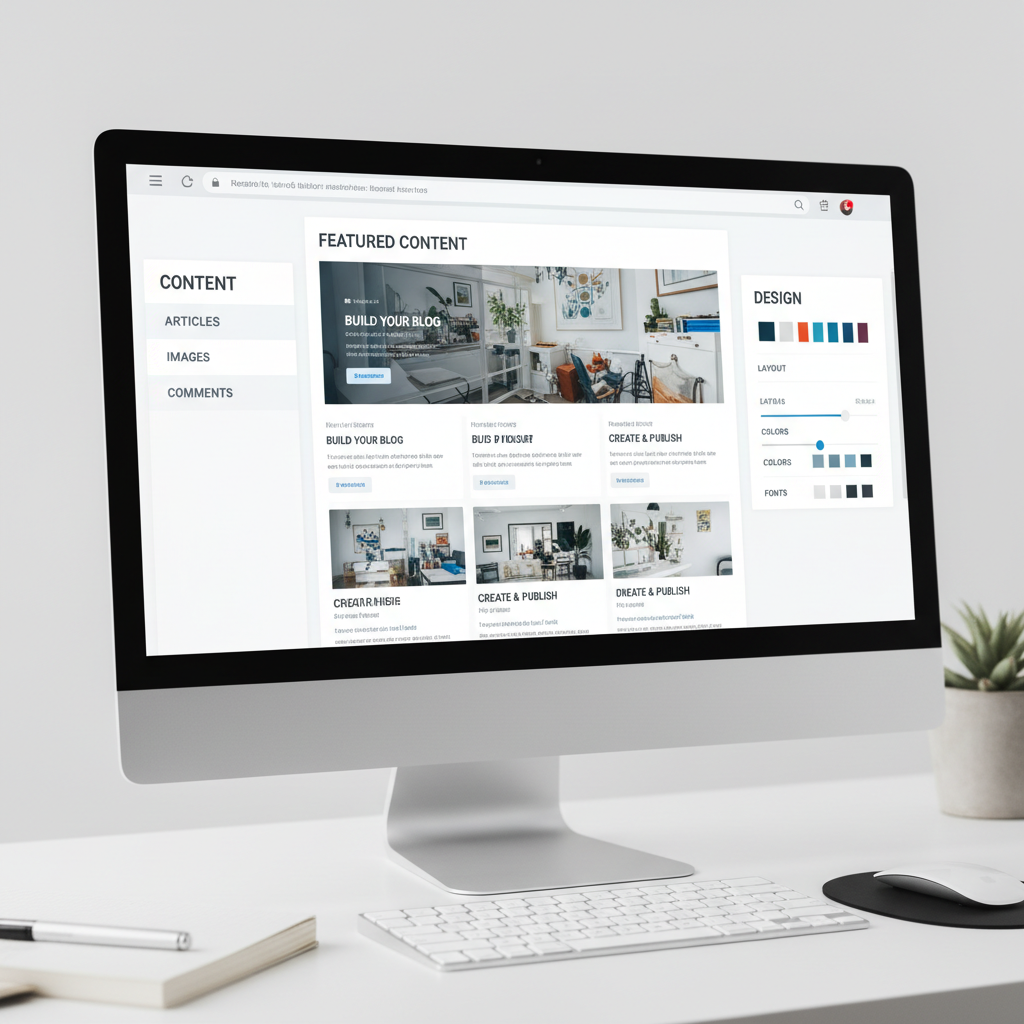
When selecting modules, ensure they are well-maintained and compatible with your version of Drupal. It's also wise to limit the number of modules you install to avoid potential conflicts and performance issues. Prioritize quality over quantity to maintain a smooth-running site.
Adapting Content Types and Taxonomy
Customizing content types and taxonomy structures is essential for organizing your site's information effectively. Drupal allows you to create custom content types that align with your business requirements, ensuring that your data is presented in the most relevant way.
Additionally, implementing a robust taxonomy system helps users navigate your site with ease. By categorizing content logically, you enhance the overall user experience and improve search engine optimization.
Configuring User Permissions and Roles
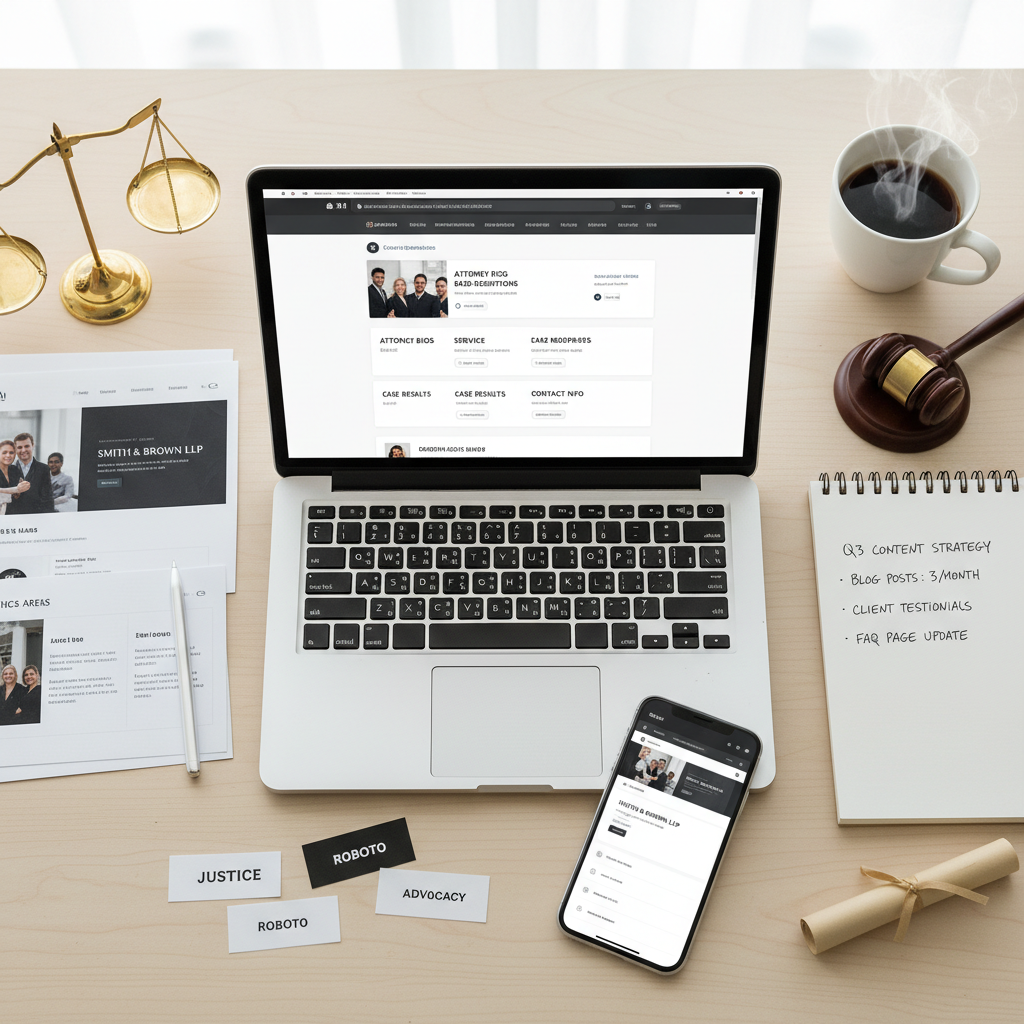
One of Drupal's strengths is its ability to manage user roles and permissions with precision. By configuring these settings, you ensure that only authorized personnel have access to specific areas of your site. This is crucial for maintaining security and operational integrity.
Define roles based on your organization's structure and assign permissions accordingly. Regularly review and update these settings to adapt to any changes in your business operations.
Testing and Optimization
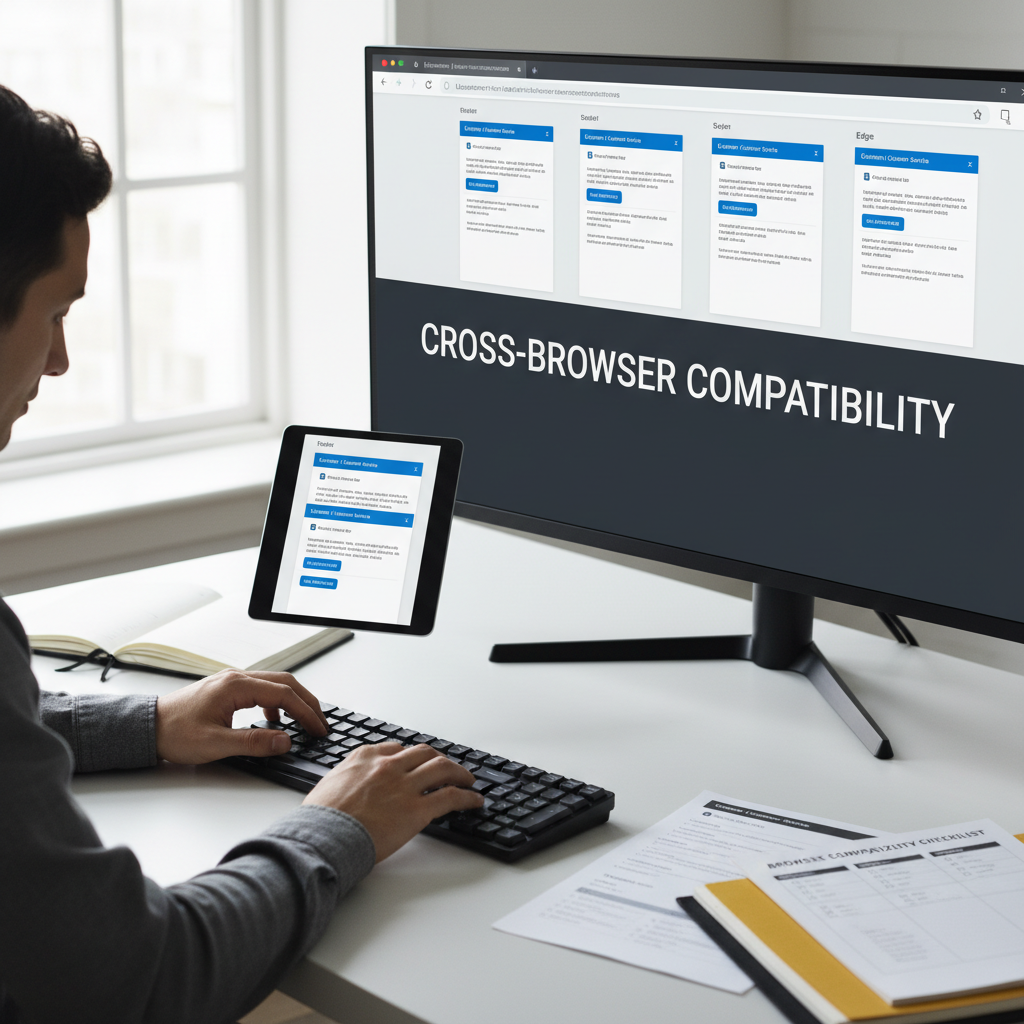
Once your customizations are in place, it's important to test your site thoroughly. Regular testing helps identify and resolve any issues that may arise, ensuring a seamless user experience. Consider using tools like automated testing scripts to streamline the process.
Optimization should also be a continuous effort. Analyze site performance and make adjustments as needed to improve load times and responsiveness. A well-optimized site not only enhances user satisfaction but also contributes to better search engine rankings.
Leveraging Community Support
The Drupal community is a valuable resource for site owners looking to customize their sites. With forums, documentation, and professional services available, you can find guidance and support when tackling complex customization projects.
Engage with the community to share experiences, seek advice, and discover new ways to enhance your Drupal site. Collaboration and knowledge sharing can lead to innovative solutions and improved site performance.