Exploring the Latest Trends in Corporate Web Design
Embracing Minimalism
In recent years, minimalism has become a dominant trend in corporate web design. Companies are opting for clean, uncluttered layouts that emphasize simplicity and functionality. By reducing visual noise, these designs allow users to focus on the core message and navigate the site with ease. This approach not only enhances user experience but also improves loading times, a crucial factor for retaining visitors.
Minimalist design often incorporates a lot of white space, which provides breathing room for content and makes the website more aesthetically pleasing. This trend aligns with the overarching move towards user-centric design, where the primary goal is to deliver a seamless and engaging experience.
Responsive and Mobile-First Design
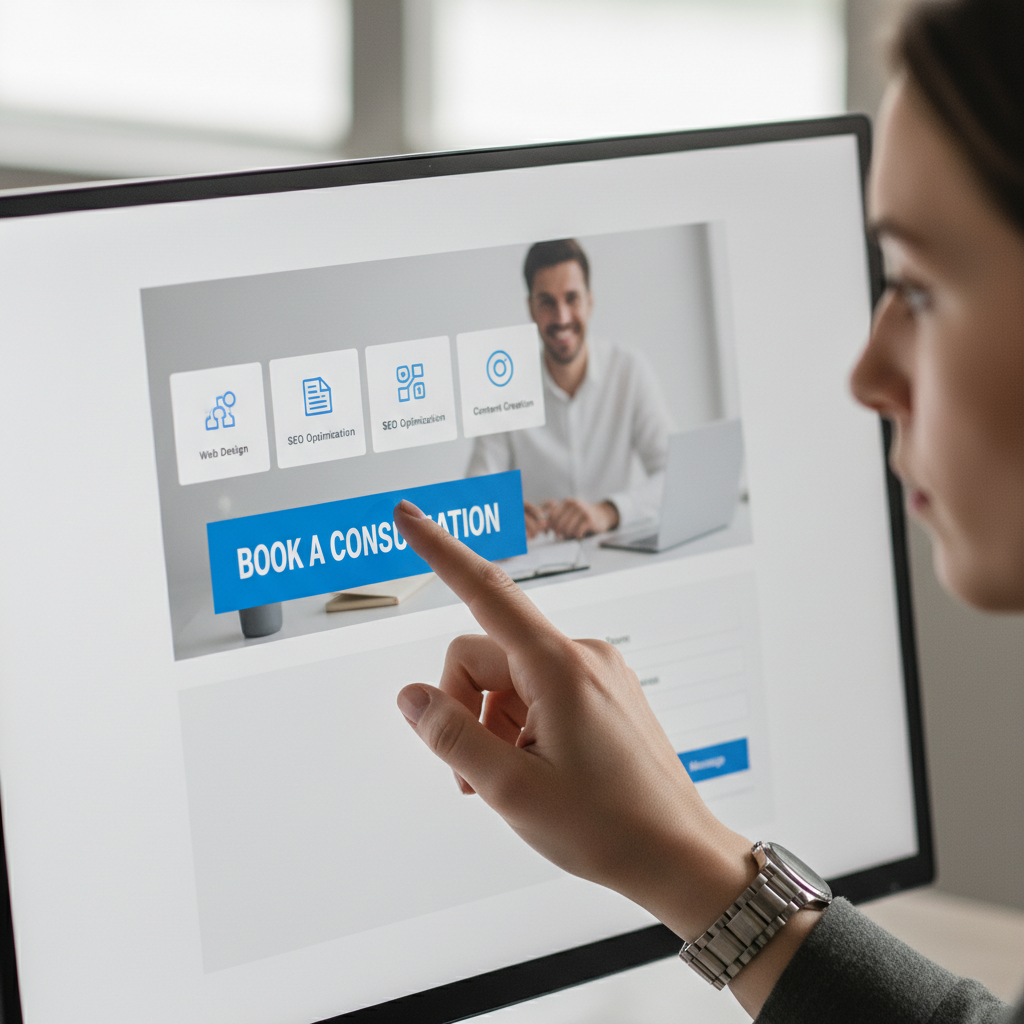
With the growing reliance on smartphones, it's no surprise that responsive and mobile-first design is at the forefront of corporate web design trends. Companies are prioritizing the mobile experience, ensuring that their websites are fully functional and visually appealing on any device. This approach not only caters to the increasing number of mobile users but also boosts search engine rankings, as search engines favor mobile-friendly sites.
To achieve a mobile-first design, designers are focusing on adaptive layouts, touch-friendly navigation, and fast-loading content. This ensures that users have a smooth experience, whether they're browsing on a phone, tablet, or desktop.
Integrating Microinteractions
Microinteractions are subtle animations or design elements that respond to user actions, providing feedback or guiding the user through the site. These can include hover effects, button animations, or loading indicators. While they might seem minor, microinteractions play a significant role in enhancing user engagement and making navigation more intuitive.
By incorporating microinteractions, companies can create a more dynamic and interactive experience, which helps in retaining users' attention and improving overall satisfaction.
Emphasizing Accessibility
Accessibility has become a crucial component of corporate web design. Companies are increasingly aware of the need to create websites that are accessible to everyone, including individuals with disabilities. This involves using proper color contrasts, keyboard navigation, alt text for images, and screen reader compatibility.
By prioritizing accessibility, businesses not only comply with legal requirements but also expand their reach to a broader audience. An accessible website reflects a company's commitment to inclusivity and social responsibility.
Personalization and AI Integration
Incorporating personalization and AI into web design is another trend gaining momentum. By leveraging data analytics and AI technologies, companies can deliver personalized content and recommendations based on user behavior and preferences. This tailored experience fosters a deeper connection with the audience and enhances user engagement.
AI can also be used to improve user interactions through chatbots and automated customer support, providing immediate assistance and improving overall efficiency.
Bright Colors and Bold Typography
While minimalism focuses on simplicity, another trend is the use of bright colors and bold typography to make a statement. Vibrant color schemes and striking fonts can capture attention and convey a brand's personality effectively. This approach is particularly popular with companies looking to stand out in competitive markets.
By combining these visual elements with strategic minimalism, businesses can create a memorable and impactful web presence.