Expert Tips for Designing Professional Business Websites
Understanding Your Audience
Before diving into the design process, it's crucial to understand who your audience is. Knowing their preferences, needs, and behaviors can significantly influence the design of your website. Conducting surveys, engaging in social media, or analyzing customer feedback can provide valuable insights. With this information, you can create a website that resonates with your target audience and enhances user experience.

Prioritizing User Experience
User experience (UX) should be at the forefront of your design strategy. A well-designed website is not only aesthetically pleasing but also functional and easy to navigate. Consider the following elements to enhance UX:
- Simple and intuitive navigation
- Fast loading times
- Mobile responsiveness
- Clear calls-to-action (CTAs)
By focusing on these elements, you can ensure that users have a positive experience on your site, encouraging them to stay longer and engage more.
Choosing the Right Design Elements
Your choice of design elements—such as color schemes, typography, and imagery—should align with your brand identity. Consistency across these elements helps in building a recognizable brand. Use colors that evoke the desired emotions and typography that enhances readability. High-quality images can also add value and interest to your content.

Optimizing for SEO
Search engine optimization (SEO) is essential for driving organic traffic to your site. Incorporate relevant keywords naturally into your content and ensure that all images have alt text. Use header tags appropriately to structure your content and improve readability. Additionally, ensure that your site is secure (HTTPS) and has a sitemap to facilitate better indexing by search engines.
Utilizing Analytics
Analytics tools are invaluable for understanding how users interact with your website. By analyzing data, you can identify areas for improvement and make data-driven decisions to enhance your site's performance. Key metrics to monitor include:
- Bounce rate
- Average session duration
- Conversion rates
- Traffic sources

Ensuring Accessibility
Designing an accessible website ensures that all users, including those with disabilities, can navigate and interact with your site. This can include providing alt text for images, ensuring sufficient color contrast, and enabling keyboard navigation. Accessibility not only broadens your audience but also enhances your site's reputation and compliance with legal standards.
Testing and Iteration
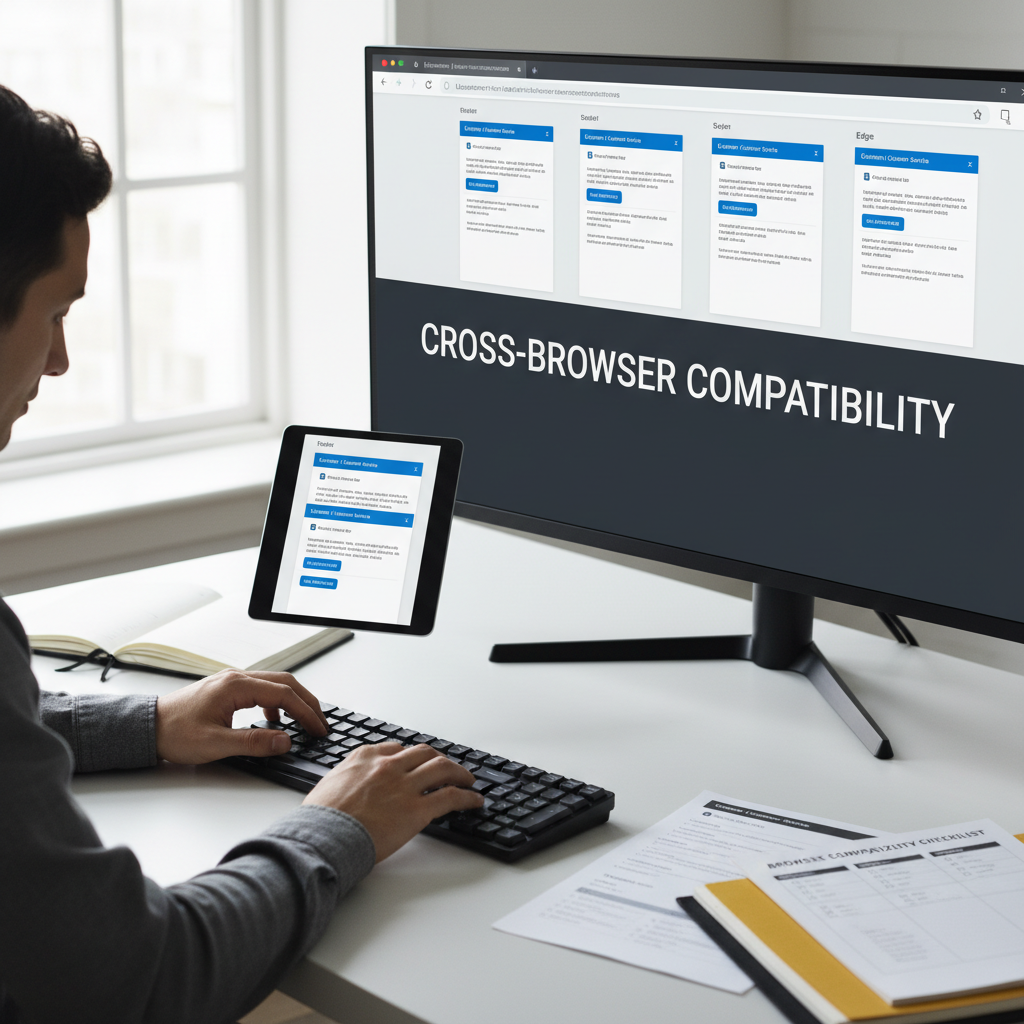
Once your website is live, it's important to regularly test and update it to ensure optimal performance. Conduct A/B testing to compare different versions of your pages and gather feedback to make necessary adjustments. Continuous iteration helps in keeping your website relevant and effective in meeting user expectations.
Conclusion
Designing a professional business website requires a thoughtful approach that balances aesthetics with functionality. By understanding your audience, prioritizing user experience, and leveraging analytics, you can create a site that not only attracts but also retains visitors. Remember, a successful website is one that evolves with your business and continues to meet the needs of its users.