Expert Tips for Designing a Professional Business Site
First Impressions Matter
When it comes to designing a professional business site, the first impression is crucial. Your website is often the first interaction potential clients have with your brand. Ensuring a clean, organized layout can greatly impact how visitors perceive your business. A cluttered or confusing design might drive them away, while a polished and intuitive interface can encourage further exploration.

Focus on User Experience
User experience (UX) should be at the forefront of your design strategy. An easy-to-navigate site not only improves user satisfaction but also increases the likelihood of conversions. Consider employing clear navigation menus, logical page structures, and a consistent design language to keep users engaged.
Additionally, make sure your site is mobile-responsive. With the increasing use of smartphones and tablets, a mobile-friendly design is no longer optional. It’s a necessity for reaching a wider audience and providing a seamless experience across devices.
Prioritize Speed and Performance
Site speed directly affects user engagement and search engine rankings. Optimizing images, leveraging browser caching, and minimizing HTTP requests can significantly enhance your site's loading speed. Users expect a site to load within seconds, and delays can lead to higher bounce rates.

Establish a Strong Visual Identity
Your business site should reflect your brand’s identity. Use colors, fonts, and imagery that align with your brand’s message and values. Consistency in visual elements helps build brand recognition and trust. Make sure your logo is prominently displayed and linked back to the homepage for easy navigation.
Utilize high-quality images and graphics to create a visually appealing site. However, balance is key; too many visuals can overwhelm visitors, while too few might make the site seem bland.
Content is King
While design is important, content is what communicates your brand’s message. Ensure all text is clear, concise, and free of jargon. Use headlines and bullet points to break up content and make it more digestible. Regularly update your content to keep it relevant and engaging for your audience.
Implement Strong Calls to Action
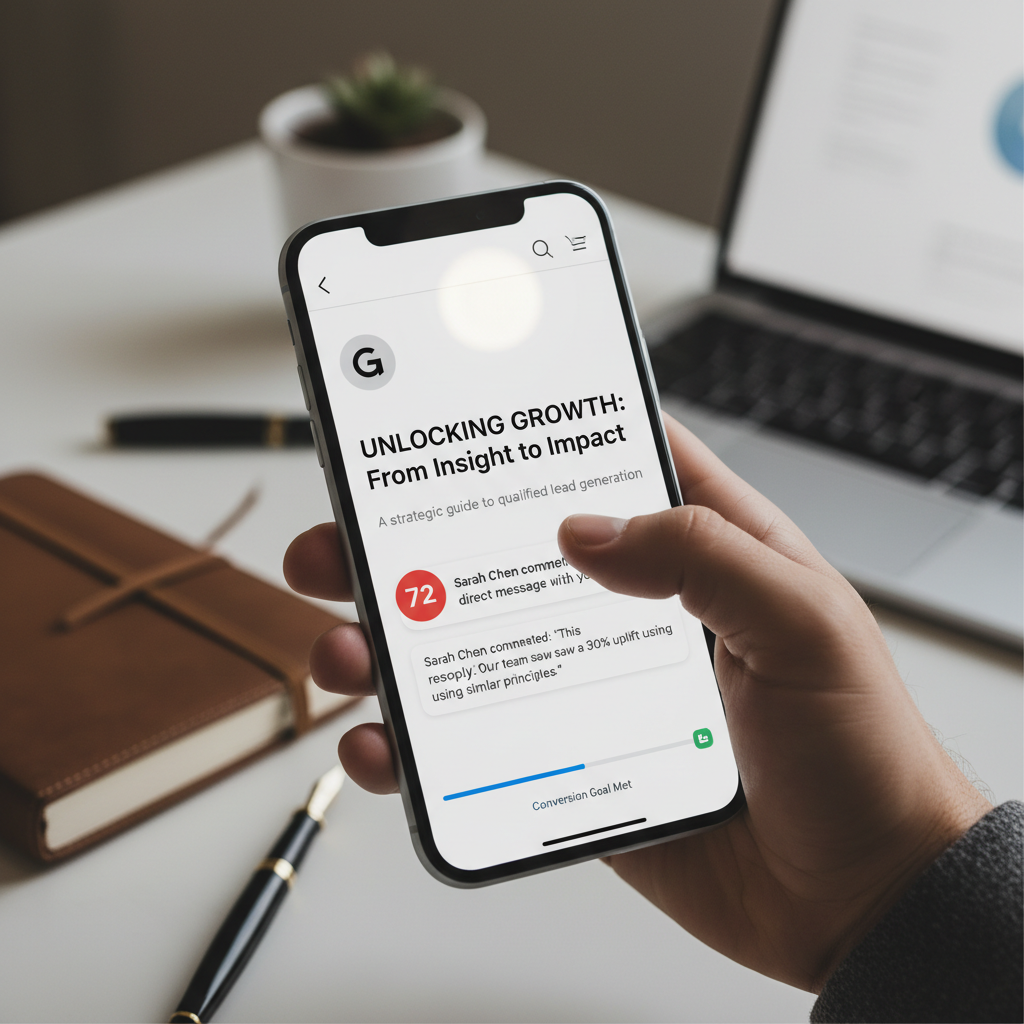
Every page on your site should have a clear purpose, whether it’s to inform, sell, or capture leads. Implement strong calls to action (CTAs) to guide users toward the desired outcome. Use actionable language such as “Contact Us,” “Learn More,” or “Get Started” to prompt user interaction.
Leverage SEO Best Practices
Search engine optimization (SEO) is essential for increasing your site’s visibility. Use relevant keywords throughout your content, optimize meta tags, and ensure all images have descriptive alt texts. A well-optimized site can improve your rankings on search engines, driving more organic traffic to your site.
Test and Iterate
Finally, don’t forget to test your site thoroughly before launching. Check for broken links, compatibility issues, and any design inconsistencies. User feedback can also provide valuable insights into areas for improvement. By continuously iterating and refining your site, you can maintain a professional and effective online presence.