Enhancing User Experience: Why a Responsive Design Matters for Your Business Site
The Importance of Responsive Design
In today's digital age, a business website is more than just a virtual storefront. It's a vital component of your brand's identity and a critical tool for engaging with your audience. One of the key elements that can make or break your site’s performance is responsive design. A responsive design ensures that your website looks and functions well on all devices, providing an optimal user experience for every visitor.
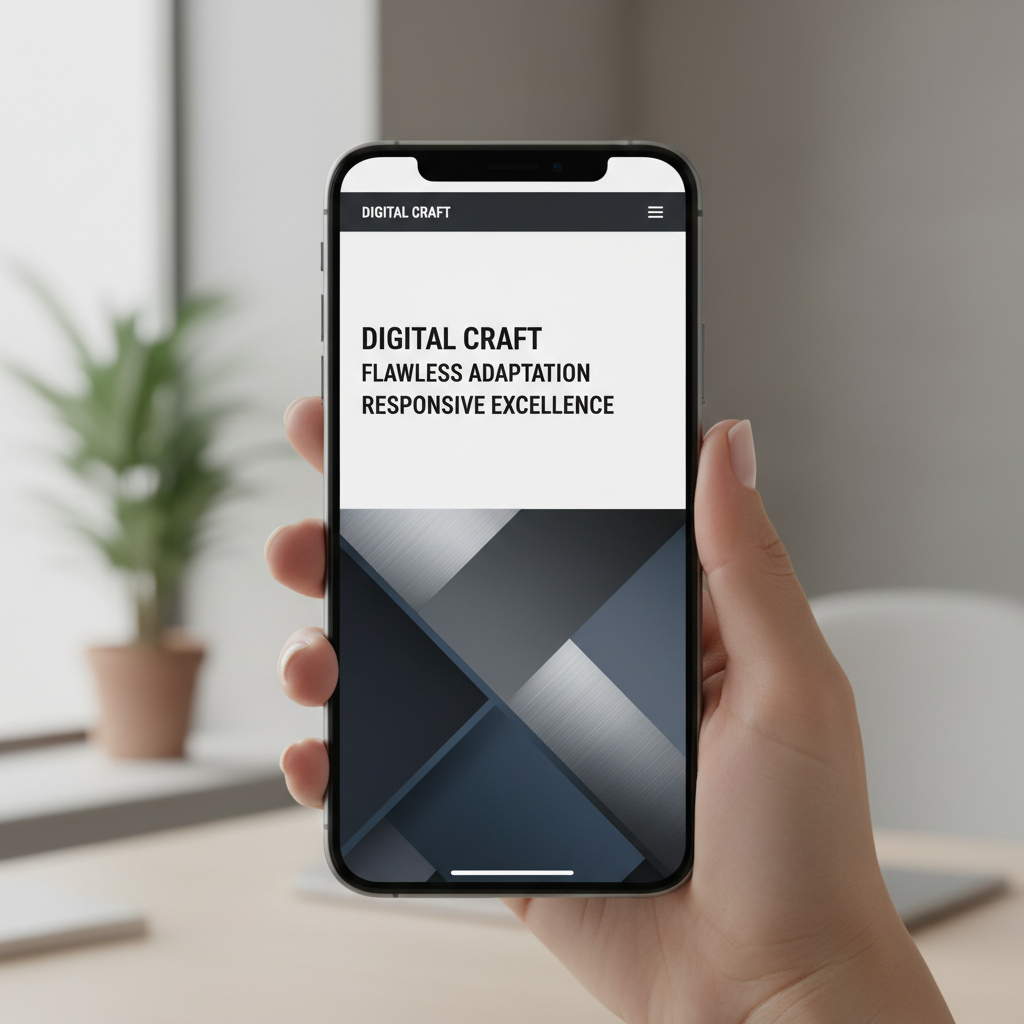
Understanding Responsive Design
Responsive design is a web development approach that creates dynamic changes to the appearance of a website, depending on the screen size and orientation of the device being used. This means that whether a user is accessing your site from a smartphone, tablet, or desktop computer, they will have a seamless experience. This adaptability is crucial in today’s multi-device world.
Without a responsive design, users might face distorted images, misaligned text, or navigation issues, leading to frustration and potentially causing them to leave your site. Ensuring a smooth and visually appealing experience can significantly impact user satisfaction and retention.
Benefits of Responsive Design
There are several advantages to implementing a responsive design for your business website:
- Improved User Experience: A responsive design ensures that your site is easy to navigate and read, regardless of the device.
- Faster Page Load Times: Optimized images and content for different devices can lead to quicker load times.
- Better SEO Performance: Search engines like Google prioritize mobile-friendly sites, improving your search rankings.

Impact on Conversion Rates
Responsive design can also positively impact your conversion rates. When users have a positive experience on your site, they are more likely to engage with your content, trust your brand, and ultimately, make a purchase or contact you for services. A responsive design reduces barriers to conversion by ensuring the process is smooth and intuitive on any device.
Statistics show that mobile users tend to abandon sites that are not mobile-friendly. By catering to this audience, you increase the likelihood of turning visitors into customers.
Cost-Effectiveness
While the initial investment in a responsive design may seem high, it is often more cost-effective in the long run. Instead of maintaining separate versions of your site for mobile and desktop users, a single responsive site can serve all purposes. This reduces maintenance costs and simplifies content management.

Future-Proofing Your Website
As technology continues to evolve, so do the devices people use to access the internet. A responsive design helps future-proof your website, ensuring it remains relevant and functional as new devices and screen sizes emerge. This flexibility allows your business to adapt quickly to technological advancements without significant overhauls.
By investing in a responsive design, you prepare your website for the future, protecting your investment and ensuring long-term success.
Conclusion
Enhancing user experience with a responsive design is not just a trend—it's a necessity. As more users rely on mobile devices to access information and make purchases, a responsive website becomes a critical asset for any business. By prioritizing responsive design, you not only improve user satisfaction but also boost your brand’s credibility and reach. Make the shift today and watch your business thrive in the digital landscape.